Hearing Test
Worried you’re missing phone calls, concerts, or your child’s first words? At Asha Speech & Hearing Clinic, our complete hearing test near me in Delhi NCR delivers fast, accurate results—using Pure Tone Audiometry, Speech Audiometry, Tympanometry, OAE, BERA/ABR, and ASSR—to pinpoint exactly where your hearing stands. Performed by certified audiologists, we translate every data point into clear next steps: from custom hearing aids and auditory training to medical referrals. Book your appointment now and reclaim every sound around you!
What is a Hearing Test
Types of hearing test that a person should undergo.
Hearing test is a procedure followed in order to evaluate the sensitivity of a person sense of hearing. The hearing in noise test measures a person ability to hear speech in quiet and in noise.
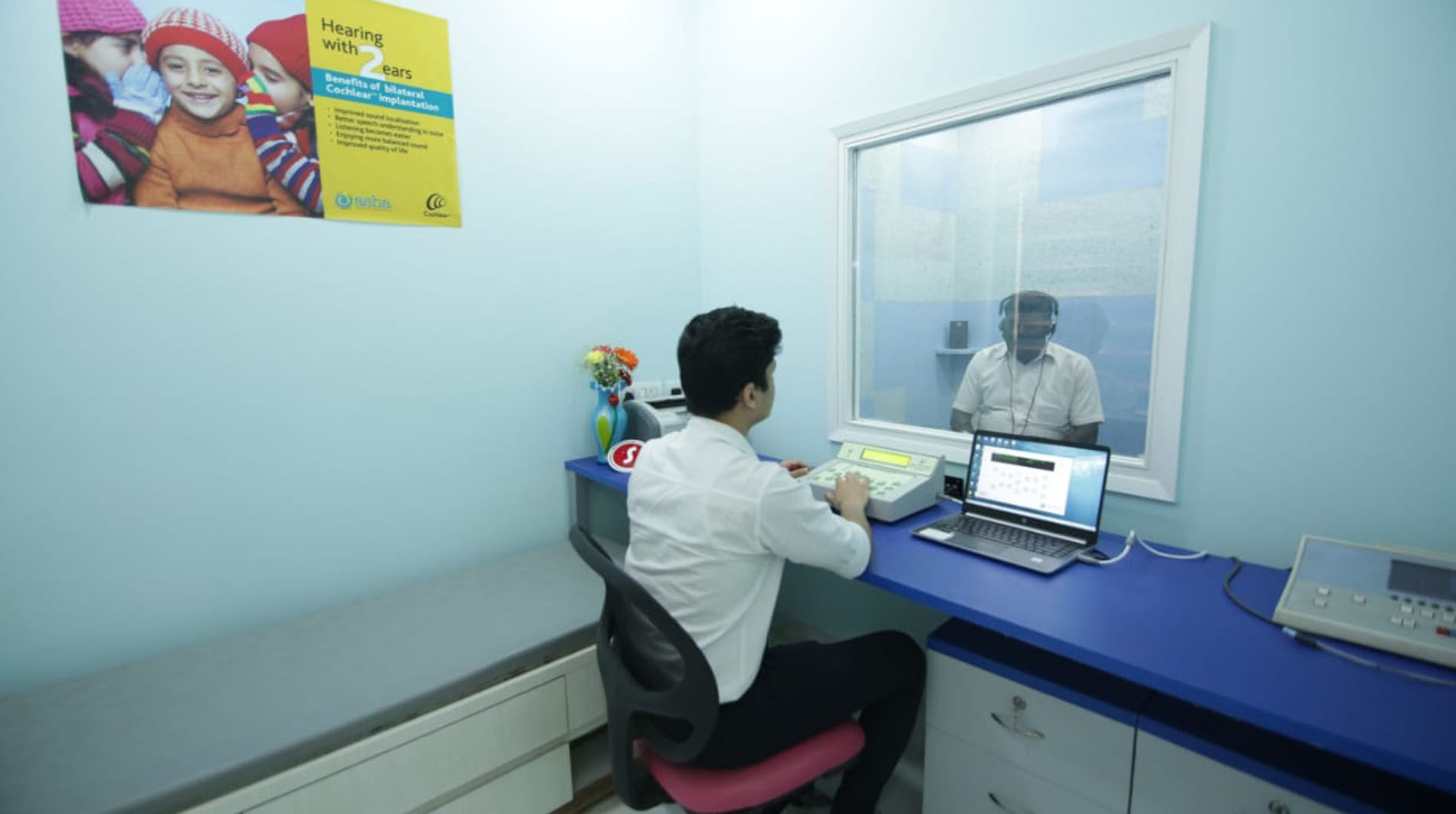
Weber test, Rinne Test ad much more are few hearing tests which are performed using an audiometer in order to determine hearing sensitivity of a person at different frequencies.
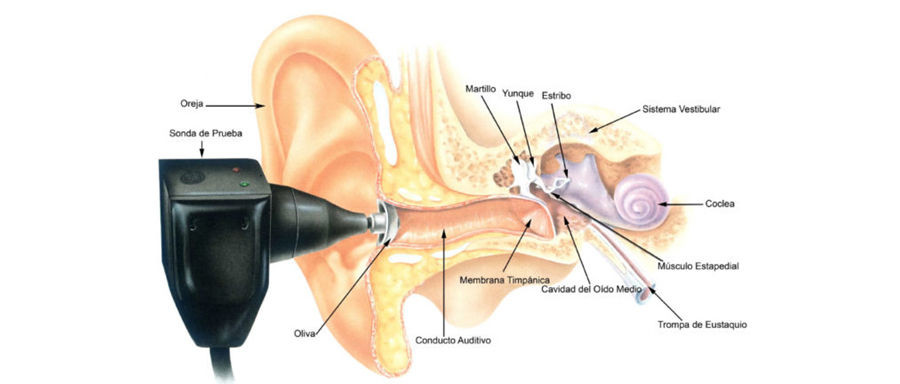
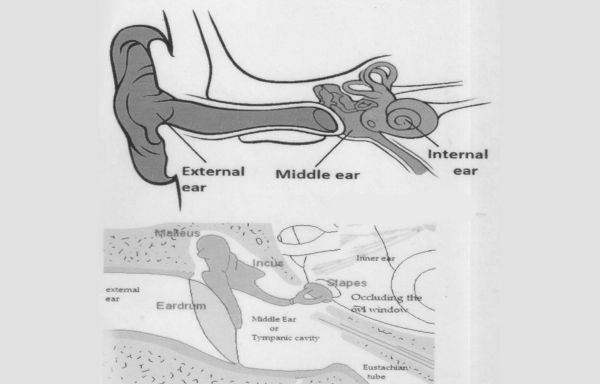
Tympanometry is an examination used to used to tpest the condition the condition of the middle ear and mobility of the eardrum (tympanic membrane) and the pressure in the ear canal. Tympanometry is an objective test of middle-ear function. It is not a hearing test, but rather a measure of energy trabsmission through the middle ear. Tympanometry permits a differentiate between sensorineural and conductive hearing loss.
Who Conducts Hearings Tests?
At Asha Speech and Hearing Clinic, we have a team of top clinical audiologists in India with several years of experience in the industry. By using the latest equipment and technology, they will conduct hearing tests and determine accurate results. One of the primary responsibilities of our audiologists is to do hearing screening or hearing evaluation and find out whether the hearing loss is mild, moderate, or severe.
Why a Professional Hearing Test Near Me Matters
Even mild hearing loss can leave you straining to follow conversations, feeling fatigued, or missing out on life’s small joys. In Delhi NCR alone, nearly 1 in 5 adults over 40 experience some hearing decline—yet many delay testing until it’s too late. A hearing test near me gives you the clarity you need today, protecting your brain health and boosting your confidence in every call, meeting, or family gathering.
Common Types of Hearing Tests We Take in New Delhi
There are different types of hearing tests. Some ear tests are intended to assess adults’ hearing, while others are used on newborns, toddlers, and children. But only after a thorough examination of the patient, our audiologists will perform the appropriate hearing tests. Some common hearing tests we take at Asha Clinic are
- Pure Tone Audiometry (Delhi NCR PTA Testing) : Sit comfortably as we play soft tones through calibrated headphones—raising a hand or pressing a button when you hear them. This maps your hearing thresholds across frequencies, guiding precise treatment plans.
- Speech Audiometry (Real‑World Clarity Checks Near Me) : Beyond pure tones, we test your ability to understand words in quiet and noisy settings—perfect for knowing how well you’ll hear in conversations or on the phone.
- **Tympanometry (Middle Ear Screening in Delhi) :**This quick, painless test measures eardrum mobility to catch fluid, infections, or eustachian tube issues—common culprits behind hearing dips.
- **OAE (Otoacoustic Emissions) for Cochlear Health :**Ideal for newborns through adults, OAE testing uses gentle clicks to check inner‑ear (cochlear) function, often catching loss before symptoms appear.
- BERA/ABR (Brainstem Response Testing) : For infants or those who can’t give behavioral feedback, we record brainwave responses to sound, ensuring accurate diagnosis without a single button press.
- **ASSR (Auditory Steady‑State Response) :**Our most advanced test for frequency‑specific thresholds—key for cochlear implant candidacy and fine‑tuning hearing devices in Delhi NCR residents.
Types of Audiological Tests
- Pure Tone Audiometry (PTA)
- **Rationale:**PTA identifies hearing thresholds across frequencies to determine the type and degree of hearing loss.
- Procedure: The patient listens to sounds through headphones and responds when they hear a tone.
- Findings: Results are plotted on an audiogram to indicate hearing sensitivity for each ear.
- Application: Helps in diagnosing conductive, sensorineural, or mixed hearing loss and choosing appropriate treatment strategies.
- Immittance Evaluation
- Rationale: Assesses middle ear function.
- Procedure: A probe is placed in the ear to measure eardrum movement (tympanometry) and reflexive muscle responses to sound (acoustic reflex).
- Findings: Identifies middle ear issues like fluid, eustachian tube dysfunction, or ossicular chain abnormalities.
- Application: Essential for diagnosing conductive hearing loss and middle ear pathologies.
- Speech Audiometry (SRT/SIS)
- Rationale: Evaluates how well patients understand and recognize speech.
- Procedure: Patients repeat words or sentences presented at various volume levels.
- Findings: Provides speech reception thresholds (SRT) and speech identification scores (SIS).
- Application: Determines functional communication ability and hearing aid candidacy.
- Auditory Brainstem Response (ABR)
- Rationale: Measures auditory nerve and brainstem activity to diagnose hearing loss.
- Procedure: Electrodes are placed on the head to record responses to sounds presented to the ears.
- Findings: Indicates hearing thresholds and neural pathway integrity.
- Application: Used for evaluation paediatric cases including newborns, nonresponsive patients for threshold estimation, or retro-cochlear pathologies.
- Otoacoustic Emissions (OAE)
- Rationale: Tests the cochlea’s (inner ear) ability to generate sound responses.
- **Procedure:**A probe emits tones and measures the resulting cochlear emissions.
- Findings: Absence of emissions suggests cochlear damage or hearing loss.
- Application: Ideal for newborn hearing screening, differentially diagnosing neural hearing loss, monitoring ototoxicity (ear damage due to drug intake) and so on.
- Auditory Steady State Response (ASSR)
- Rationale: Determines frequency specific hearing thresholds for difficult to test populations who cannot reliably participate in behavioural audiometry, such as infants, young children, individuals with developmental or cognitive impairments, sedated patients, and those with severe physical disabilities.
- Procedure: Similar to ABR, electrodes capture responses to modulated tones.
- Findings: Identifies minimal to profound hearing loss across frequencies.
- Application: Complements ABR for more precise threshold estimation, hearing aid fitting and CI candidacy.
- MLR and LLR
- **Rationale:**Evaluate auditory cortical function for central auditory disorders.
- **Procedure:**Measures mid-latency (MLR) and late-latency (LLR) responses via electrodes.
- **Findings:**Abnormal latency suggests auditory processing or neurological disorders.
- **Application:**Used for advanced auditory assessments in children and adults.
- Behavioural Observation Audiometry (BOA)
- **Rationale:**Detects hearing responses in infants too young for conventional testing.
- **Procedure:**Observes the baby’s reactions (startle, head turns, eye movements) to sound stimuli.
- Findings: Provides a basic understanding of hearing ability.
- **Application:**Screening tool for infants under 6 months.
- Visual Reinforcement Audiometry (VRA)
- Rationale: Assesses hearing in infants using visual stimuli.
- Procedure: Sounds are paired with visual rewards, like animated toys, to elicit headturn responses.
- Findings: Identifies hearing ability across frequencies.
- **Application:**Effective for children aged 6 months to 2 years.
- Conditioned Play Audiometry (CPA)
- Rationale: Engages children in structured play to evaluate hearing.
- Procedure: Children perform tasks like placing blocks when they hear a sound.
- **Findings:**Establishes hearing thresholds for paediatric patients.
- Application: Suitable for children aged 2–5 years.
- Electrocochleography (ECochG)
- Rationale: Evaluates the electrical activity of the cochlea and auditory nerve to detect inner ear disorders like Meniere’s disease.
- Procedure: A recording electrode is placed in or near the ear canal while sound stimuli are presented, capturing responses from the cochlea and eighth cranial nerve.
- Findings: Abnormal waveforms or heightened summating potentials indicate cochlear hydrops or other inner ear pathologies.
Other Hearing Tests Our Experts Perform
Our experienced audiologists also perform other types of audiometry tests and hearing tests that are listed below to confirm normal hearing function or to discover and measure hearing loss. These painless, safe evaluations assist them in diagnosing hearing issues and determining the best treatment option.
- Speech Test
- Tuning Fork Test or Bone Conduction Test
- Tympanometry
- Weber Hearing Test
- Acoustic Reflex Testing
- Behavioral Audiometry
- Visual Reinforcement Audiometry and more
To diagnose hearing loss and its severity, a variety of tests can be conducted using different techniques. But, the type of hearing test to be used depends on the age of the individual and several other factors. If you, your kid, or anyone you know shows signs of hearing loss, get the hearing test done at Asha Speech and Hearing Clinic. We have been providing hearing tests in New Delhi for many years to people of all ages. In addition to that, for other problems associated with hearing and speech, we offer cheap and the best speech and hearing healthcare services in India.
Without any hesitation, book an appointment with us to overcome hearing loss issues and improve the quality of life.
What to Expect at Your Hearing Test Appointment
From the moment you walk in, you’ll be greeted by our friendly front‑desk team and escorted to a sound‑proof booth. The entire battery takes about 30–45 minutes—no prep needed. Our audiologists explain each step in plain language, so you always know what to expect. At the end, we review your results together and outline a personalized plan: whether that’s a trial of digital hearing aids, customized auditory therapy, or a referral to our ENT partners.
Tailored “Near Me” Solutions & Next Steps
- Hearing Aids Near Me : Explore digital, rechargeable, and Bluetooth‑enabled options fitted by our Delhi NCR experts.
- Auditory Verbal Therapy (AVT) : For cochlear implant users—develop listening and spoken language in natural settings.
- Cochlear Implant Evaluation : Comprehensive candidacy testing and post‑op mapping right here in Gurgaon, Noida, or central Delhi.
Why Asha Clinic Is Your Trusted Local Choice
- 49+ years serving Delhi NCR families with top‑rated audiology care
- Certified audiologists dedicated to ongoing training in the latest techniques
- 5‑star Google reviews praising our “hearing test near me” convenience and caring staff
- Neighborhood locations in Noida, Gurugram, and South Delhi—always close to you
Key Benefits of Your Delhi NCR Hearing Test:
- ✅ Enjoy crystal‑clear phone calls & conversations in crowds
- ✅ Protect your cognitive health with early detection
- ✅ Customized hearing solutions fitted right here in your neighborhood
- ✅ Peace of mind from a 5‑star “hearing test near me” experience
Frequently Asked Questions
What is a hearing test?
A hearing test evaluates your ability to hear sounds at different frequencies and volumes to detect hearing loss or ear-related problems. It helps audiologists identify the type and severity of hearing impairment.
What are the different types of hearing tests?
The main types of hearing tests include:
- Pure Tone Audiometry (PTA) : Measures hearing sensitivity
- OAE : Checks inner ear (cochlea) function
- BERA : Assesses auditory nerve response
- Tympanometry : Evaluates middle ear condition
What is the cost of a hearing test in Delhi?
The cost of a hearing test in Delhi typically ranges from ₹300 to ₹1500, depending on the type of test and clinic facilities. Many clinics offer affordable packages for complete hearing evaluation.
How long does a hearing test take?
A basic hearing test usually takes 20 to 30 minutes, while advanced tests may take up to 60 minutes depending on the evaluation required.
Is a hearing test safe or painful?
A hearing test is completely safe, non-invasive, and painless. It involves listening to sounds through headphones or small probes, with no discomfort or side effects.
Who should get a hearing test?
You should get a hearing test if you:
- Have difficulty hearing conversations
- Experience ringing in the ears (tinnitus)
- Work in noisy environments
- Are above 50 years of age
Regular testing helps detect hearing problems early and improves treatment outcomes.