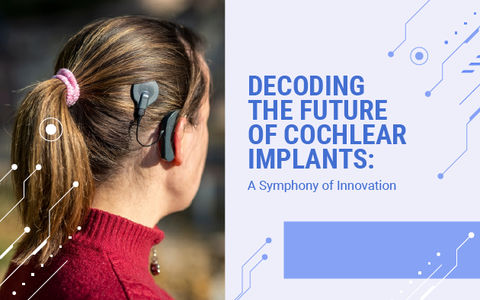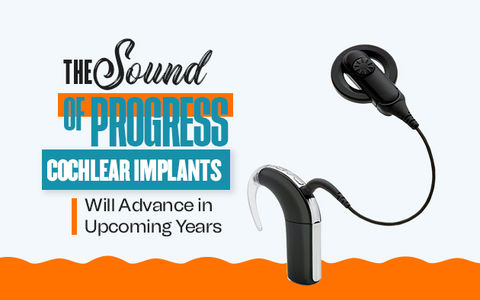
A cochlear implant is an electronic device that partially restores hearing. It can be an option for people with severe hearing loss caused by inner-ear damage who no longer get enough help from hearing aids.
An implant does not restore normal hearing. Instead, it gives a useful representation of everyday sounds and helps the person understand speech.
How a cochlear implant works
It has two parts:
- An external sound processor, worn on the head, which picks up sound, analyses it and converts it into signals.
- Internal parts, placed during surgery: a receiver-stimulator and an electrode array.
Signals pass across the skin to the receiver-stimulator, then along the electrode array into the cochlea (the inner ear). The hearing nerve carries them to the brain.
Who can benefit
Candidates usually have severe to profound sensorineural hearing loss and get limited benefit from hearing aids. Adults and young children can both benefit. In India, implants are approved for children from about nine months of age; implanting early makes the most of the years when a child learns listening and language.
People with cochlear implants report better:
- understanding of speech without relying on lip-reading
- recognition of everyday sounds
- listening in noisy places
- ability to tell where sounds are coming from
- enjoyment of television, music and phone calls
The cochlear implant journey
1. Assessment
- Hearing tests show the type and degree of hearing loss, and whether a cochlear implant or hearing aids will help more. See hearing tests.
- HRCT and MRI scans check that the cochlea and hearing nerve are formed normally.
- Routine tests such as blood tests and vaccinations.
Your ENT surgeon and audiologist then recommend which ear to implant and which type of implant suits your child.
2. Choosing the device
You then choose an implant and sound processor to suit your child's needs, and a surgery date is fixed.
3. Surgery
Surgery usually takes two to three hours per ear, with a hospital stay of two to three days. After 7–10 days the stitches are removed, and your audiologist hands over the kit and explains the accessories, care and maintenance.
4. Switch-on
Once the implant site has healed, the external processor is turned on for the first time. This is called "switch-on".
5. Mapping and therapy
Mapping sessions fine-tune the processor, and Auditory Verbal Therapy helps the child learn to listen and speak (see below).
6. School
The aim is mainstream schooling, supported by pre-academic preparation.
Two implants: bilateral cochlear implants
Hearing with two ears, as nature intended, can bring:
- easier listening with less strain and fatigue
- better ability to locate sounds
- better speech understanding, including in noise
- faster auditory processing
Mapping and programming
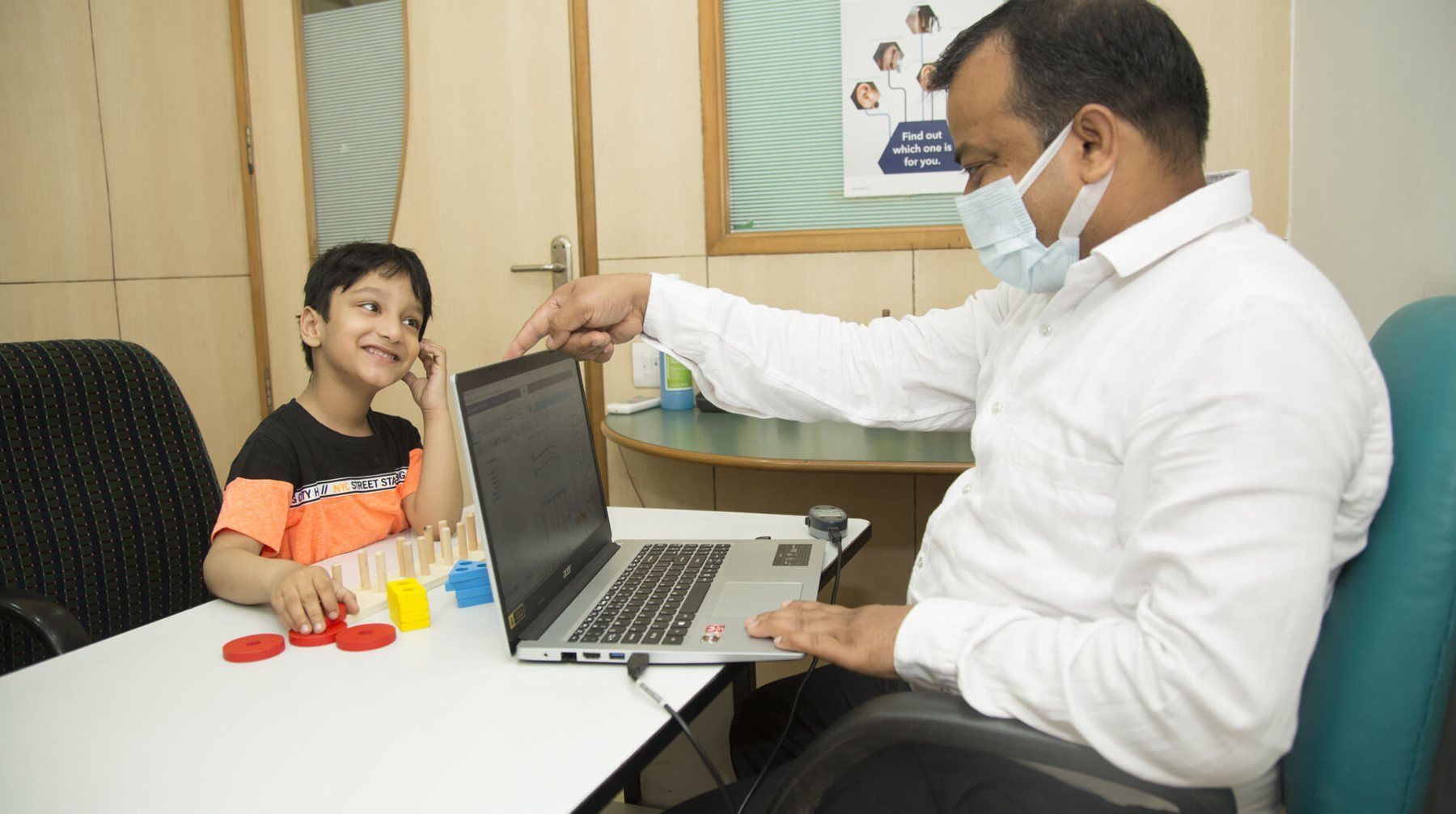
Programming the sound processor is called "mapping". An audiologist with special expertise in cochlear implants adjusts the stimulation levels for each electrode, so that soft sounds are audible and loud sounds stay comfortable.
Each map is personal and changes over time: as tissue grows around the electrodes, or the user adapts, sound can become softer or less clear. Regular mapping visits are therefore essential, frequent at first and less often as hearing settles. Mapping is not painful; levels are raised gradually and stopped if anything feels uncomfortable.
Auditory Verbal Therapy (AVT)
AVT is a specialist, family-centred early intervention programme that coaches parents to develop their deaf child's listening and spoken language.
The listening part of the brain needs stimulation early in life, ideally before about three and a half years. With good hearing technology and play-based sessions, parents learn techniques to build listening into daily life, and how to check and troubleshoot their child's device with the audiology team.
Unlike general speech therapy, AVT makes listening the foundation: signs, gestures and lip-reading are not forbidden, but children are encouraged to listen first. Adults new to implants can also benefit.
At the clinic, AVT for the cochlear implant programme is led by Vandana Bhardwaj and Anju Kochhar.
Service and repairs
Our audiologists check external processors, cables and magnets, and clean or replace parts, including after water damage. We check your warranty status and explain any costs first, and help keep costs manageable once the warranty ends. Rare surgical issues are referred to your ENT surgeon.
Bone conduction implants
Bone conduction devices send sound through the bone of the skull straight to the inner ear, bypassing the outer and middle ear.
BAHA
A bone-anchored hearing aid (BAHA) transmits sound to the cochlea by vibrating the mastoid bone behind the ear. A minor operation fixes a screw to the skull, and the sound processor clips on and off. It is worn during the day and removed at night.
BAHA is suggested for conductive or mixed hearing loss, single-sided deafness, and people with mixed hearing loss who cannot wear in-the-ear or behind-the-ear hearing aids. It costs more than conventional hearing aids.
OSIA
OSIA is a bone conduction implant made by Cochlear. One long-standing patient with chronic middle-ear disease, who had done better in bone conduction trials than with conventional hearing aids, chose OSIA after counselling by our team and the surgical team at Sir Ganga Ram Hospital.
ADHEAR
ADHEAR is also among the bone conduction options we offer. Ask us whether it suits you or your child.