Treatment for Cleft Lip and Palate
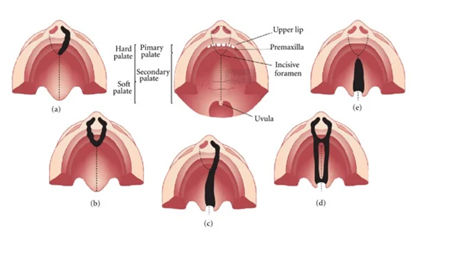
Cleft lip and palate, encompassing various craniofacial conditions, arise from unique congenital structural irregularities originating during embryonic development between the 4th and 10th week of gestation. These conditions manifest in distinctive craniofacial differences.
These clefts are categorized based on several factors, including which structures are affected (lip, alveolus, hard palate, soft palate), the degree of laterality (unilateral left, unilateral right, or bilateral), and the severity of the condition, which is determined by the width and extent of the structures involved. Clefts can present as isolated conditions (involving only cleft lip or cleft palate), or they may occur in combination. They can be unilateral or bilateral and can also be complete or incomplete.
When it comes to speech production, Velopharyngeal Dysfunction (VPD) can lead to hypernasality, a resonance disorder, and nasal air emission, often occurring simultaneously. These issues are typically linked to anatomical or physiological limitations.
Additionally, individuals with cleft lip and palate may experience articulatory (obligatory) errors, including:
Hypernasality on vowels, liquids, and glides, with more severe cases also affecting voiced oral consonants by causing nasalization.
Articulation errors linked to dental conditions or malocclusion, such as sibilant distortion in cases of Class III dental malocclusion.
Obligatory nasal air emission due to VPD or fistula, which remains consistent across oral pressure consonants (stops, fricatives, and affricates). This pattern of airflow into the nasal cavity can persist even after adequate Velopharyngeal closure has been achieved through surgical intervention.
For comprehensive cleft lip and cleft palate treatment, including surgical treatment for cleft lip and palate, it is essential to consult experienced professionals well versed in the intricacies of these conditions. Timely and appropriate intervention can significantly enhance the quality of life for individuals affected by cleft lip and palate.
Potential Treatment Options for Cleft Lip and Palate
Speech, language, hearing, eating, breathing, general appearance, and self-esteem can all be impacted by cleft lip and palate. So, to treat the various aspects of cleft lip and palate, help from a team of speech therapists/speech-language pathologists, surgeons, orthodontists, and audiologists is required. The following are some of the best treatment options for cleft lip and palate
- Surgery
- Speech Therapy
- Dental Care
- Feeding Assistance for Parents
- Hearing Care
The Role of Speech Therapists in Treating Cleft Lip and Palate
When it comes to treating individuals with cleft lip and palate, the presence of Speech therapists or Speech Language Pathologists (SLP) is essential because they assist them in becoming proficient communicators. Also, they will be involved in the following activities.
- Diagnose and treat articulation mistakes, nasal twang, and hearing loss, among other speech and language issues.
- Collaborate closely with patients to enhance voice quality, resonance, and clarity of speech by using methods like articulation therapy, oral motor exercises, and speech-language therapy.
- Promote patients’ confidence and self-esteem while supporting their emotional and psychological well-being.
- Assist individuals with cleft lip and palate in achieving the best possible communication and quality of life by working with interdisciplinary teams.
Cleft Lip and Palate Treatment in New Delhi
In case, you are seeking cleft lip and palate treatment near me in New Delhi or if you need help from a top speech therapist in New Delhi for cleft lip and palate treatment, then contact Asha Speech & Hearing Clinic and book an appointment! At our clinic, we have certified speech therapists with several years of experience in providing personalized cleft lip and palate treatment. After a complete evaluation, they will offer a better treatment that will help to enhance communication and transform life.
Frequently Asked Questions
When should speech therapy start after cleft surgery?
Typically 4–6 weeks postsurgery once stitches heal. Early rehab helps establish correct articulation patterns and proper resonance before compensatory errors develop.
What does feeding therapy involve?
We use specialized bottles, pacing strategies, and oralmotor exercises to strengthen suck–swallow patterns, ensuring safe, efficient feeding for infants and young children.
How do you address resonance issues?
We teach nasal airflow control and use targeted exercises (like “nasal/glide blends”) to reduce hypernasality, often combined with prosthetic devices or palatal exercises.
Is therapy only for children?
No—adolescents and adults with residual speech or resonance issues also benefit from tailored articulation and resonance therapy programs.
Do you coordinate with surgeons?
Yes—our SLP team works closely with your plastic surgeon and ENT to time therapy around surgeries and discuss prosthetic options like speech bulbs if needed.
How long does rehab usually last?
Duration varies—many complete primary goals in 12–16 weeks, but we offer followup “tuneup” sessions as your child or adult patient grows and their speech system changes.